Wholesale Frozen Asian Food: Sourcing, Brands, and Pricing Guide
Wholesale Frozen Asian Food: The Buyer’s Guide to Sourcing and Scalability
For independent grocery store owners and ethnic-market managers, the frozen section is no longer just a secondary department; it is a primary driver of foot traffic and high-margin sales. The demand for wholesale frozen Asian food has surged as consumers prioritize convenience without sacrificing the authentic flavors of Korean, Chinese, and Japanese cuisines.
As an importer-direct distributor based in California, DJR Foods understands the complexities of the frozen supply chain. Successfully stocking a frozen department requires more than just picking popular SKUs; it requires an understanding of cold-chain logistics, importer-direct pricing benchmarks, and strategic brand selection. This guide provides the technical and commercial insights necessary to optimize your frozen inventory and maximize your return on investment.
The Rising Market for Frozen Asian Convenience
The frozen food sector has seen a significant transformation. According to data from Statista, the global frozen food market continues to expand as technology improves the texture and nutritional retention of flash-frozen products. In the Asian grocery segment, this growth is even more pronounced. What was once limited to basic dumplings has expanded into gourmet frozen desserts, complete meal kits, and restaurant-quality snacks.
For the B2B buyer, sourcing wholesale frozen Asian food means tapping into a consumer base that values "speed-to-table" authenticity. Whether it is a convenience store looking for microwavable buns or a large ethnic supermarket needing palleted shipments of Korean Mandu, the quality of the frozen product is now a benchmark for the entire store's reputation.
Essential Brands and Product Categories
To compete in today’s market, your freezer doors must feature a mix of household names and high-performance niche brands. At DJR Foods, we focus on brands that provide consistent quality and high turnover rates.
Korean Mandu and Dumplings
Dumplings are the anchor of the frozen Asian section. Brands like Wang Global Net and established frozen Asian brands have set the standard, but independent retailers often find better margins by sourcing through direct importers like DJR.
- Mandu types: Kimchi, pork and ginger, vegetable, and shrimp.
- Format: Large 2lb bags for home consumption or smaller snack-sized packs for C-stores.
Frozen Desserts and Novelties
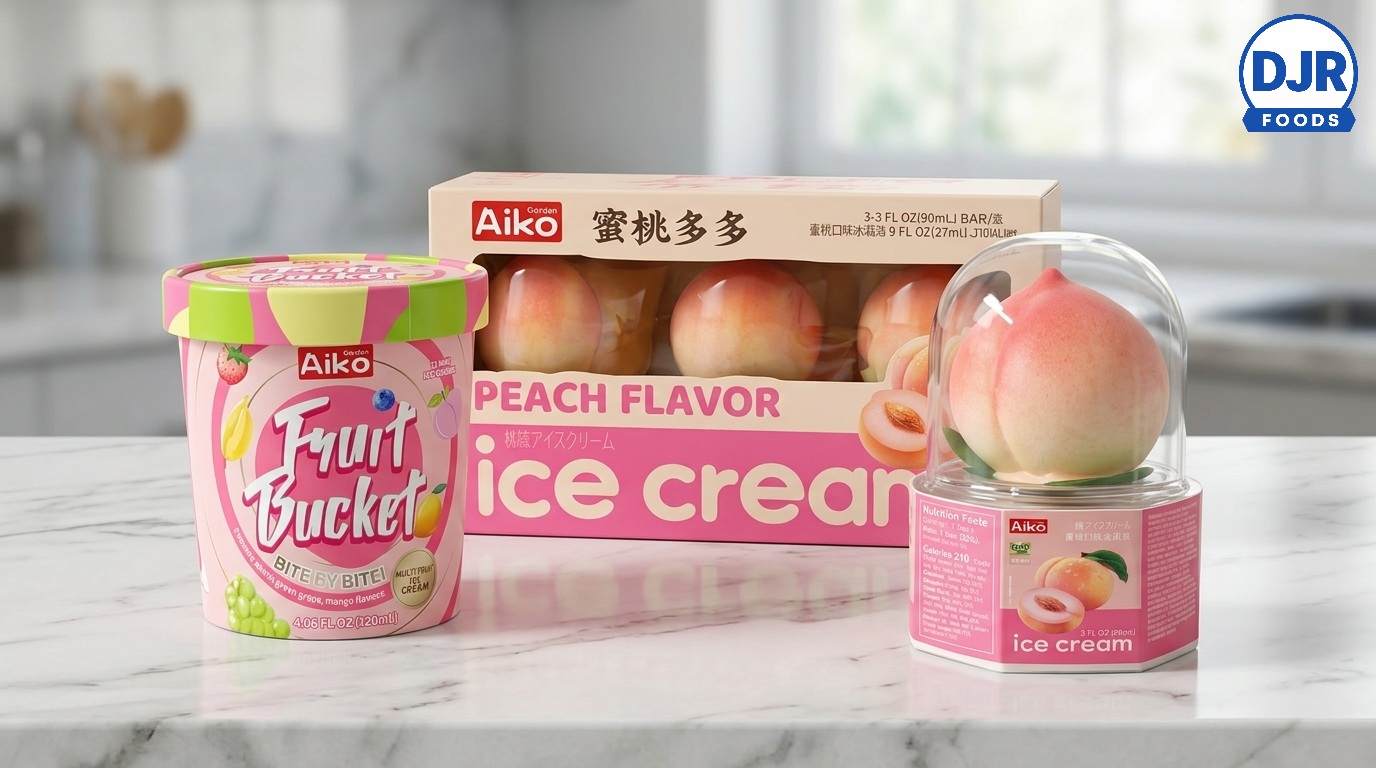
Frozen desserts, particularly Melona bars (Binggrae) and various mochi ice creams, are high-velocity items. These products often have higher profit margins than staple grains or produce. The vibrant packaging and brand recognition make them ideal for impulse purchases near the checkout or at the end of a frozen aisle.
Ready-to-Eat (RTE) Meals and Buns
From frozen Korean corn dogs to steamed buns (Bao), the RTE segment is expanding rapidly. These items cater to the Gen Z and Millennial demographics who frequent specialty grocers for "TikTok-famous" snacks. Sourcing these through a reliable Asian grocery distributor ensures that you stay ahead of food trends.
Understanding Logistics: Case Sizes and Pallet MOQs
Sourcing wholesale frozen Asian food requires a granular understanding of logistics. Unlike dry goods, frozen inventory involves higher shipping costs and strict temperature monitoring. To maintain profitability, buyers must optimize their order frequency and volume.
- Case Sizes: Most frozen items are packed in master cases containing 6, 12, or 24 units. For example, premium frozen ramen kits might come in 12-count cases, while individual ice cream bars are often packed in 24-count display boxes within a larger master carton.
- Minimum Order Quantities (MOQs): To qualify for wholesale pricing, most distributors require a minimum spend or a minimum number of cases. At DJR Foods, we work with retailers to balance their freezer capacity with our shipping minimums.
- Pallet Optimization: For regional wholesalers and large-scale retailers, ordering by the pallet is the most cost-effective method. A standard pallet can hold between 40 to 60 cases depending on the product dimensions. Ordering full pallets significantly reduces the "per-unit" landed cost by spreading the flat rate of refrigerated trucking over a larger quantity of goods.
Importer-Direct Pricing Benchmarks
One of the primary advantages of working with an importer-direct distributor is the elimination of the "middleman markup." When you source wholesale frozen Asian food through secondary wholesalers, you are often paying a 10-15% premium.
- Standard Retail Margins: Retailers typically aim for a 25% to 35% margin on frozen goods to account for the electricity costs of running freezers.
- Wholesale Tiers: Pricing is usually tiered based on volume.
- Tier 1: Individual case pricing (highest cost).
- Tier 2: Multi-case discounts (5-10 cases of a single SKU).
- Tier 3: Pallet pricing (the gold standard for high-volume retailers).
By accessing our catalog, buyers can see real-time pricing that reflects current import costs and market availability, allowing for more accurate shelf-price planning.
Compliance and Food Safety in Frozen Imports
Importing food products into the United States is a highly regulated process. As a buyer, you must ensure that your supplier is compliant with all federal mandates to avoid recalls or legal liabilities.
All frozen imports must adhere to the regulations set by the FDA regarding labeling, ingredient transparency, and the Foreign Supplier Verification Program (FSVP). Additionally, products containing meat or poultry (such as certain Mandu or buns) fall under the jurisdiction of the USDA.
DJR Foods handles all compliance documentation, ensuring that every SKU in our warehouse has been properly cleared and labeled with English-language nutritional facts and ingredient lists. This allows our partners to sell with confidence, knowing their inventory meets all safety standards.
Strategic Shelf Positioning for Frozen Goods
How you arrange your frozen section can dictate your turnover rates. Consider the following merchandising strategies used by top-tier ethnic markets:
- Vertical Blocking: Place high-demand items (like Melona or Samyang frozen ramen) at eye level across several freezer doors. This creates a "billboard effect" that draws customers down the aisle.
- Complementary Merchandising: Place frozen dumplings near the refrigerated sauce section or keep frozen rice cakes adjacent to gochujang and soup bases.
- Clear Labeling: Ensure that case-and-pallet pricing for bulk buyers is clearly marked if you operate a cash-and-carry model. Transparency in pricing builds trust with small business owners who source from your location.
Scaling Your Frozen Department with DJR Foods
Success in the Asian grocery space requires a partner who understands both the product and the logistical hurdles of the frozen supply chain. Whether you are looking to refresh your current inventory or build a frozen department from the ground up, DJR Foods provides the infrastructure and expertise to help you scale. We bridge the gap between international manufacturers and local retailers, offering a streamlined path to the most popular brands in the industry.
If you are ready to optimize your frozen food selection and benefit from importer-direct pricing, we invite you to contact our sales team. We provide tailored consultations to help you determine the best product mix for your specific demographic and store size. You can also learn more about our commitment to quality and our California distribution network on our website.
To begin the process of upgrading your inventory, please visit our catalog to view our current stock of wholesale frozen Asian food and request a wholesale account today. Let us help you turn your frozen section into a high-growth asset for your business.