Wholesale Buyer's Guide: How to Buy Asian Groceries Wholesale
How to Buy Asian Groceries Wholesale: The Definitive Buyer’s Guide
The American palate is undergoing a permanent shift. According to data from Statista, the market for ethnic foods in the United States continues to see year-over-year growth, with Asian cuisine leading the charge in the snack and convenience categories. For independent grocery store owners, e-commerce retailers, and convenience store managers, capturing this demand requires more than just putting a few packs of ramen on the shelf. It requires a sophisticated understanding of how to buy Asian groceries wholesale to ensure consistent supply, competitive margins, and authentic product selection.
Navigating the world of international food distribution can be complex. From managing Minimum Order Quantities (MOQs) to understanding FDA labeling compliance, the procurement process requires a strategic approach. At DJR Foods, we specialize in bridging the gap between overseas manufacturers and domestic retailers through an import-direct model. To learn more about our commitment to quality, visit our about page.
Understanding the Asian Grocery Supply Chain
Before placing your first order, it is essential to understand where your products come from. The supply chain for Asian groceries typically involves three tiers: manufacturers, importers/distributors, and retailers.
When you research how to buy Asian groceries wholesale, you will find that working directly with an importer-distributor like DJR Foods offers several advantages. By eliminating the middleman broker, you gain access to import-direct pricing and more transparent lead times. This is particularly crucial for high-turnover items like Korean ramen and seasonal snacks where stockouts can result in significant lost revenue.
Why Partner with an Import-Direct Distributor?
- Cost Efficiency: Lower landed costs per unit by skipping secondary markups.
- Freshness: Faster transit from port to warehouse means longer shelf life for your customers.
- Authenticity: Direct relationships with brands in Korea, Japan, and Taiwan ensure you are receiving genuine products, not counterfeits.
Determining Your Product Mix
Success in the Asian grocery segment depends on stocking a mix of "staple" high-volume items and "trend" items that drive foot traffic. Your inventory should reflect the specific demographics of your local market while tapping into broader national trends.
High-Volume Staples
- Instant Noodles and Ramen: Brands like Samyang, Nongshim, and Ottogi are essential. Buldak spicy ramen remains a dominant force in the market.
- Rice and Grains: Bulk jasmine, short-grain, and glutinous rice varieties.
- Basic Condiments: Soy sauce, gochujang (Korean chili paste), and sesame oil.
Trend and Impulse Items
- Asian Snacks: Look for puffed corn snacks, shrimp crackers, and seaweed snacks. These items carry higher margins and are popular with younger demographics.
- Specialty Beverages: Canned milk teas, sparkling sodas (like Ramune), and aloe vera drinks are high-growth categories. Check our latest beverage additions in the products section.
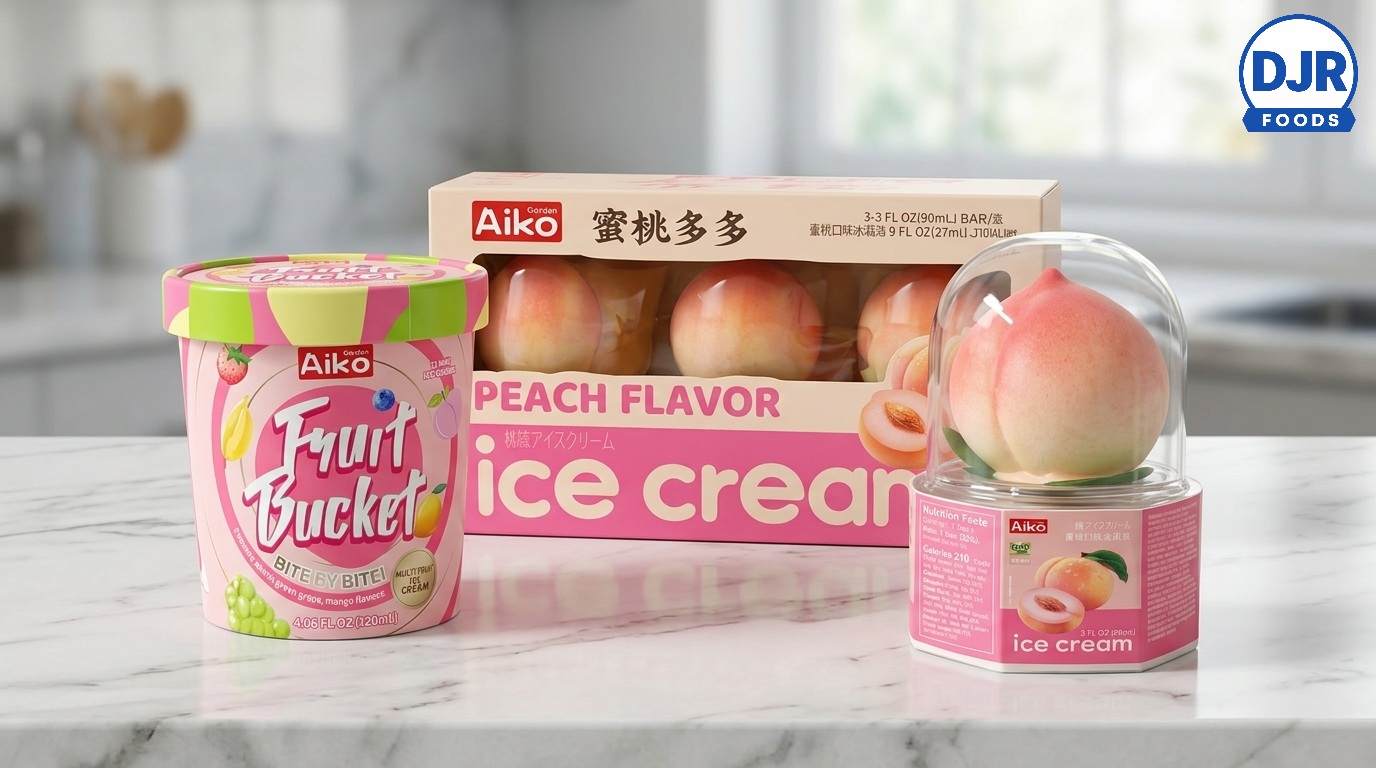
- Frozen Desserts: Mochi ice cream and fruit-based bars continue to perform well in suburban markets.
Navigating Logistics: MOQs, Lead Times, and Freight
One of the most intimidating aspects of learning how to buy Asian groceries wholesale is the logistics. Unlike domestic dry goods, international food products involve longer lead times and specific shipping requirements.
Minimum Order Quantities (MOQs)
Most wholesale Asian food distributors require a minimum purchase to qualify for wholesale pricing. In the industry, these typically range from $500 to $2,000 for local deliveries. For LTL (Less Than Truckload) shipping outside of primary zones, you may need to order by the pallet. Ordering in pallet increments (usually 40–60 cases depending on the product) significantly reduces the freight cost per unit.
Freight and Shipping Expectations
When sourcing from a California-based distributor like DJR Foods, you must factor in the distance from our distribution center to your loading dock.
- Local Delivery: Often handled by the distributor's own fleet; lower cost and higher frequency.
- LTL Shipping: Standard for out-of-state buyers. Ensure your facility has a loading dock or request a lift-gate service at checkout.
- FOB (Free On Board): Understand if the price includes shipping or if you are responsible for the freight from the warehouse floor.
Compliance and Regulatory Standards
Selling imported food products in the U.S. requires strict adherence to federal regulations. When you buy Asian groceries wholesale, the distributor should have already handled the heavy lifting regarding compliance, but you must still perform due diligence.
FDA and USDA Oversight
All imported food must meet FDA regulations regarding ingredients and labeling. This includes the "Nutrition Facts" panel and allergen statements in English. Certain meat-based products (like some stocks or dehydrated pork in ramen packets) are also subject to USDA inspection. Always verify that your supplier provides products that are fully compliant for resale in the United States to avoid costly seizures or fines.
Sourcing and Trade Relations
Working with organizations like the Korea Trade-Investment Promotion Agency (KOTRA) helps distributors identify reputable manufacturers. This ensures that the products you put on your shelves meet the high standards expected by American consumers.
The Procurement Process: A Step-by-Step Guide
If you are ready to begin sourcing, follow this standardized process to ensure a smooth transaction:
- Apply for a Wholesale Account: Most distributors require a valid Resale Certificate and a Business License. This ensures the transaction is tax-exempt for the buyer.
- Review the Product Catalog: Browse the current catalog to identify SKU availability. Note that seasonal items or limited-edition ramen flavors may have restricted availability.
- Submit a Purchase Order (PO): Once you have selected your items, submit your PO. At this stage, the distributor will calculate shipping costs and provide an estimated delivery date.
- Payment Terms: Initial orders are typically Prepaid or COD (Cash on Delivery). Once a relationship is established, you may apply for Net terms (e.g., Net 15 or Net 30).
- Receiving and Quality Control: Upon delivery, inspect the pallet for any signs of transit damage. Document any discrepancies immediately on the Bill of Lading (BOL).
Optimizing Your Margins
To be successful, you must understand the pricing dynamics of the Asian grocery market. While staple items like 20lb bags of rice may have thinner margins (10–15%), specialty snacks and imported sodas can often command markups of 40% or more.
Keep an eye on shipping costs; freight can easily eat into your profits if you are not ordering in efficient volumes. Consolidating your orders into a single monthly or bi-weekly shipment rather than several small orders is the most effective way to lower your per-unit cost. Check our blog regularly for updates on market trends and pricing shifts that could impact your bottom line.
Ready to Expand Your Inventory?
Choosing the right partner is the most critical step in learning how to buy Asian groceries wholesale. At DJR Foods, we provide the expertise, the inventory, and the logistical support you need to thrive in the competitive ethnic grocery space. Whether you are looking for the latest Korean ramen craze or authentic grocery items, our team is here to help you build a profitable product mix.
To view our current inventory and pricing, please visit our contact page to request a wholesale account application. One of our account managers will reach out to help you finalize your first order and get your business started on the path to success in the Asian grocery market.