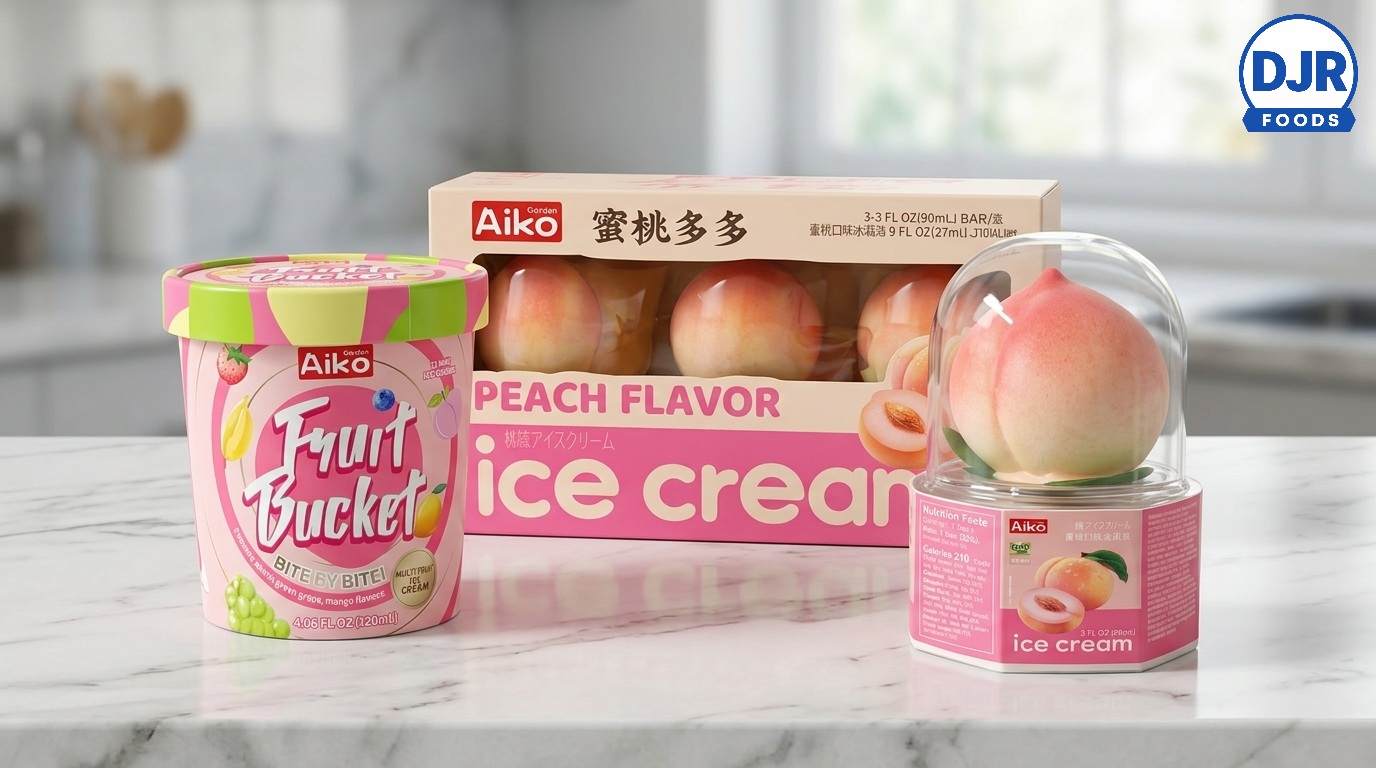
Asian Wholesale Shipping Nationwide: A Guide for Retailers
Asian Wholesale Shipping Nationwide: The Buyer’s Guide to Logistics and Sourcing As
the demand for authentic global flavors continues to surge across the United States, the ability to secure a reliable supply chain has become a competitive necessity for retailers. Whether you are managing an independent ethnic grocery store in the Midwest or a high-volume convenience chain on the East Coast, understanding the nuances of Asian wholesale shipping nationwide is the difference between a high-margin inventory and a logistical nightmare. According to Statista, consumer spending on ethnic foods has seen consistent year-over-year growth, driven largely by the mainstream adoption of Korean, Japanese, and Southeast Asian products. However, sourcing these items, ranging from shelf-stable ramen to temperature-sensitive frozen desserts, requires a sophisticated understanding of freight, compliance, and distribution. At DJR Foods, we leverage our position as an import-direct distributor to bridge the gap between Asian manufacturers and American retail shelves.
Understanding the Infrastructure of National Asian Wholesale Distribution Asian wholesale shipping nationwide
is not a one-size-fits-all service. The logistics of moving a pallet of Buldak ramen from a California port to a retail floor in Florida involves multiple touchpoints. For a wholesale buyer, the primary concern is the integrity of the product and the transparency of the shipping timeline. Logistics generally fall into two categories: Less-Than-Truckload (LTL) and Full Truckload (FTL). For most independent retailers, LTL is the standard. This involves shipping 1 to 6 pallets via a common carrier. For larger chains or regional distributors, FTL offers the most cost-effective per-unit rate but requires significant warehouse capacity and higher capital commitment.
Dry Goods vs. Cold Chain Logistics When sourcing Asian groceries, your shipping
strategy must account for product sensitivity. 1. Ambient/Dry Shipping: This covers the majority of our products, including Korean ramen, Asian snacks, and sodas. These are durable and offer the most flexibility in shipping routes.
- Cold Chain (Frozen/Refrigerated): Frozen desserts and certain specialty beverages require refrigerated trucks (reefers). Maintaining a consistent temperature of -10°F to 0°F is critical. Buyers must ensure their logistics partner has experience in cold chain management to prevent spoilage during transit.
The Financials: MOQs, Palletization, and Freight Expectations
To maximize the efficiency of Asian wholesale shipping nationwide, buyers must think in terms of "pallet density." Shipping a single case of soda is cost-prohibitive; shipping a full pallet of mixed sodas and snacks spreads the freight cost across hundreds of units, protecting your retail margins.
Minimum Order Quantities (MOQs) In the wholesale world, MOQs are designed to
ensure that the logistics remain viable for both the distributor and the buyer. * Typical Order Minimums: For national shipping, most distributors require a minimum order value ranging from $2,000 to $5,000 to justify the administrative and pick-pack labor costs.
- Pallet Requirements: A standard 48"x40" pallet can typically hold 40 to 60 cases of ramen or snacks, depending on the stack height and weight restrictions.
Calculating Freight Costs Freight costs are influenced by the National Motor Freight
Classification (NMFC) system, which categorizes goods based on density, stowability, and liability. Generally, retailers should expect freight to account for 5% to 15% of the total invoice value. By consolidating orders to reach full pallet increments, you can significantly reduce the "landed cost" of each item.
The Importer-Direct Advantage: Bypassing the Middleman Many distributors act as secondary wholesalers,
buying from a primary importer and then marking up the price before selling to the retailer. This adds layers of cost and potential points of failure in the shipping process. By working with an importer-direct distributor like DJR Foods, you are tapping into a more streamlined supply chain. We handle the complexities of the Korea Trade-Investment Promotion Agency (KOTRA) regulations and international customs, ensuring that the inventory we ship nationwide is fresh, authentic, and compliant with all domestic standards.
Quality Control and Compliance Every product we ship must adhere to strict
FDA and USDA labeling requirements. This includes accurate English-language ingredient lists and nutritional facts. When you choose a partner for Asian wholesale shipping nationwide, verifying their compliance record is vital to avoid costly recalls or regulatory fines.
Key Product Categories for National Distribution
When building your wholesale order for national shipping, it is important to balance high-turnover staples with trending specialty items. * Korean Ramen: Brands like Samyang, Nongshim, and Ottogi are the backbone of the Asian grocery aisle. Their long shelf life makes them ideal for cross-country transit.
- Asian Snacks: From honey butter chips to shrimp crackers, wholesale Asian snack distribution is currently booming in the convenience store sector.
- Asian Sodas and Beverages: Ramune and sparkling fruit juices are heavy but offer high visual appeal and consistent demand.
- Frozen Desserts: Mochi ice cream and Melona bars require specialized cold chain logistics but command premium price points.
Selection Criteria: Choosing the Right Logistics Partner Not all distributors are equipped for national reach.
When evaluating a partner for Asian wholesale shipping nationwide, ask the following questions: * What is your damage rate for LTL shipments? Professional palletization with high-quality shrink wrap and corner protectors should keep damage under 1%.
- Do you offer real-time tracking? In the B2B space, knowing exactly when a 4,000lb shipment will arrive is essential for labor scheduling.
- What is the lead time from order to dispatch? In the current retail environment, speed to shelf is a competitive advantage. Look for partners who dispatch within 48-72 hours of order confirmation.
- Can I mix and match categories? The most efficient buyers fill their pallets with a diverse mix from the catalog to meet consumer needs in one delivery.
The Onboarding Process for New Buyers Moving your sourcing to a national distributor is a strategic shift.
At DJR Foods, we make the transition seamless: 1. Account Registration: Submission of your Resale Certificate and business license.
- Catalog Access: Reviewing our current inventory of Korean and Asian staples.
- Freight Quoting: Our logistics team provides transparent quotes based on your zip code and delivery requirements (e.g., liftgate service, inside delivery).
- First Order Dispatch: Secure palletization and transit with our trusted national carrier network.
Scaling Your Inventory with Reliability The growth of Asian cuisine in the US shows no signs of slowing down.
To capture this market, retailers must move beyond local, fragmented sourcing and embrace the efficiencies of Asian wholesale shipping nationwide. By consolidating your purchasing with an importer-direct partner, you secure better pricing, higher product quality, and a more resilient supply chain. Whether you are looking to stock the latest viral ramen or need a steady supply of premium frozen desserts, we invite you to explore our blog for more industry insights or contact our sales team directly. Ready to elevate your inventory and streamline your logistics? Request a wholesale account today and gain access to our full range of authentic Asian groceries with reliable shipping to any corner of the continental United States.