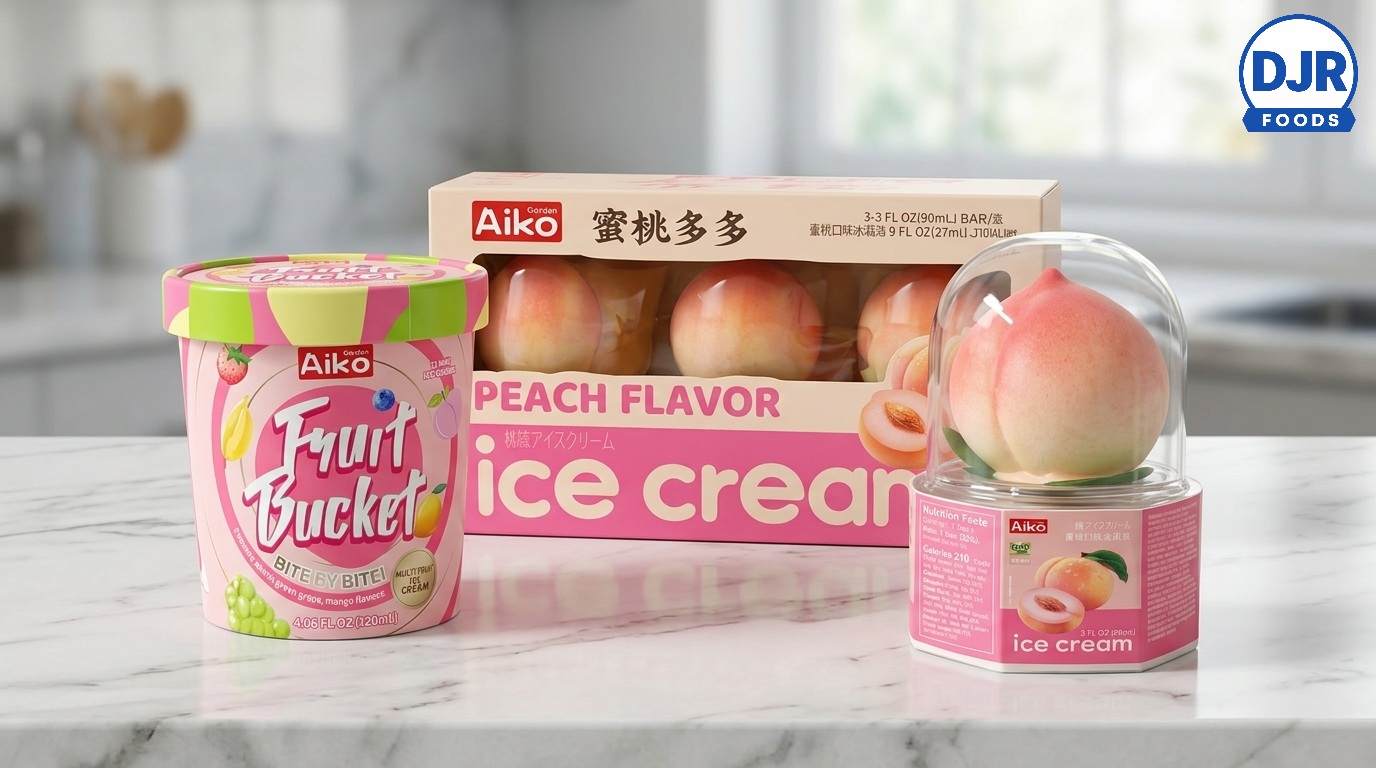
Asian Food Distribution Requirements: A Wholesale Buyer’s Guide
Master the Asian Food Distribution Requirements for Your Retail Business The North
American appetite for authentic Asian flavors has transitioned from a niche interest to a primary driver of grocery retail growth. According to data from Statista, the global ethnic food market is projected to grow at a CAGR of nearly 8% over the next decade. For independent grocery store owners, convenience store managers, and online retailers, capturing this growth requires more than just an interest in the products, it requires a deep understanding of the complex Asian food distribution requirements that govern the industry. Successfully scaling an Asian food category involves navigating international supply chains, adhering to strict FDA mandates, and managing the logistics of importer-direct relationships. This guide provides an educational deep-dive into the standards and processes you must master to build a resilient, high-margin ethnic grocery program.
Understanding the Regulatory Framework for Asian Imports Before a single case of
bulk Korean ramen or specialty soda hits your shelves, it must clear a rigorous regulatory gauntlet. Wholesale buyers must ensure their distribution partners are compliant with several layers of federal oversight.
FDA Compliance and Labeling
All imported food products sold in the United States must comply with the FDA regulations regarding labeling and ingredients. One of the most common hurdles in Asian food distribution is the translation and adaptation of packaging. 1. Ingredient Transparency: All ingredients must be listed in English. 2. Allergen Disclosure: The FDA's Food Allergen Labeling and Consumer Protection Act (FALCPA) requires clear labeling of major allergens such as soy, wheat, milk, and shellfish.
- Nutrition Facts Panels: Many imported snacks come with formatting that does not meet US standards. Wholesale distributors often must over-sticker products with compliant Nutrition Facts panels before they can be legally sold.
The Foreign Supplier Verification Program (FSVP)
Under the Food Safety Modernization Act (FSMA), importers are legally responsible for ensuring that their foreign suppliers produce food in a manner that provides the same level of public health protection as US standards. When researching Asian food distribution requirements, verify that your distributor acts as the FSVP importer of record. This shifts the legal burden of food safety verification from you, the retailer, to the distributor.
Key Asian Food Distribution Requirements: MOQs and Pricing Working with a direct
importer like DJR Foods offers significant cost advantages, but it also comes with specific operational expectations. Understanding these "rules of engagement" is critical for maintaining a healthy cash flow.
Minimum Order Quantities (MOQs)
In the world of wholesale Asian groceries, MOQs are the primary mechanism for maintaining efficiency. Because products like wholesale Korean ramen are high-volume and low-margin, shipping single cases is rarely viable for the distributor or the retailer. * Standard Distributor MOQs: Typically range from $1,000 to $3,000 for local delivery in California.
- Case Pack Requirements: Most snacks and beverages are sold in fixed case counts (e.g., 20 packs per box for ramen, 24 cans per flat for sodas).
- Pallet Minimums: For long-distance freight, most distributors require at least one full pallet (usually 40 to 60 cases depending on the SKU) to justify the shipping cost.
Pricing Tiers and Margin Expectations
Wholesale pricing is rarely static. It is influenced by container shipping rates, currency exchange (particularly the KRW and JPY), and raw material costs. Buyers should expect a tiered pricing structure where bulk commitments yield lower per-unit costs. On average, retailers should target a 30% to 50% gross margin on specialty Asian snacks and a 20% to 25% margin on high-velocity staples like ramen and rice.
Logistics and Freight: Navigating the Supply Chain The logistics of **Asian food
distribution requirements** are significantly more complex than domestic sourcing. As a buyer, you must account for extended lead times and variable freight conditions.
Lead Times and Inventory Cycles
When sourcing via an importer-direct model, lead times are influenced by trans-Pacific shipping. While a domestic distributor might offer 48-hour delivery, an importer managing thousands of SKUs may have "in-stock" items and "pre-order" items. * In-Stock Staples: Usually ship within 3–5 business days.
- Specialty/Seasonal Imports: May require a 6-to-8-week lead time as products are secured via agencies like KOTRA or direct manufacturer contracts.
Freight Expectations and Palletization
For retailers outside of a distributor's local delivery zone, Less Than Truckload (LTL) freight is the standard. * Liftgate Requirements: Ensure your facility has a loading dock. If not, you must specify a liftgate delivery, which often carries an additional fee.
- Damaged Goods Protocols: Upon receiving a shipment, check for "concealed damage." Asian snack packaging can be fragile; documented photos of damaged pallets are required for credit claims within 24–48 hours of delivery.
Strategic Sourcing: Building the Right Product Mix Understanding the technical requirements is
only half the battle. Success in the ethnic food market depends on curating a product mix that resonates with your specific demographic. You can view our full catalog to see the range of available options.
High-Velocity Staples
Every Asian grocery program should be anchored by "power SKUs." These are products with high brand recognition that drive repeat foot traffic:
- Korean Ramen: Brands like Nongshim and Samyang are global leaders. * Asian Sodas: Calpico and Ramune are essential for the beverage aisle.
- Staple Grains: Jasmine and short-grain rice in 15lb and 20lb bags.
Impulse and Trend Items
Social media platforms like TikTok and Instagram frequently drive viral demand for specific Asian snacks (e.g., spicy chips, unique Oreo flavors, or fruit-flavored jellies). A flexible distribution partner will allow you to mix these trend-heavy items into your standard pallet orders to keep your inventory fresh and exciting. Explore our blog for the latest trends in the Asian snack market.
Financial and Documentation Requirements for Buyers
To establish a wholesale account and meet professional Asian food distribution requirements, retailers must provide specific documentation. This isn't just bureaucracy; it’s a requirement for the distributor to maintain their tax-exempt status on wholesale transactions. 1. Business License: Proof that you are a legal entity operating in your jurisdiction.
- Resale Certificate: In California and most other states, this document allows you to purchase inventory without paying sales tax, as the tax will be collected from the end consumer.
- Credit Application: Most distributors start new accounts on "Prepaid" or "COD" terms. After a period of consistent ordering (usually 3–6 months), you can apply for Net-15 or Net-30 terms to improve your working capital.
Why Importer-Direct Distribution Matters Many retail buyers make the mistake of sourcing
from secondary wholesalers or "cash and carry" outlets. While convenient, these sources add another layer of markup and often lack the rigorous food safety documentation required for long-term compliance. Working with an importer-direct partner like DJR Foods ensures you are closer to the source. This translates to better pricing, longer shelf lives (fresher stock), and more reliable access to the latest products hitting the market in Seoul, Tokyo, and beyond. You can learn more about our commitment to supply chain integrity and how we help retailers scale.
Start Your Wholesale Partnership Today Navigating Asian food distribution requirements doesn't have
to be a solo journey. Whether you are looking to revamp your existing ethnic food aisle or launching a new specialty grocery business, having an expert partner is the most critical component of your success. DJR Foods provides the infrastructure, regulatory expertise, and curated product selection you need to compete in today’s market. Ready to take the next step? To view our wholesale pricing and receive a personalized consultation for your store, contact us today to request a wholesale account. Our team is ready to help you navigate the complexities of Asian food sourcing and ensure your shelves stay stocked with the products your customers love.